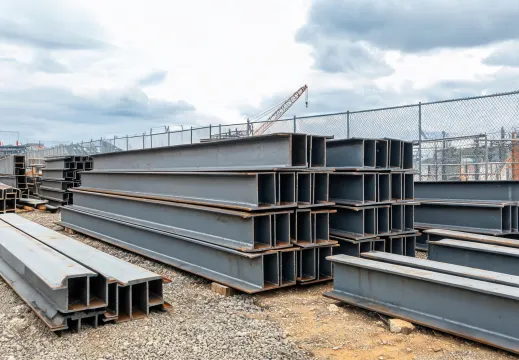
Construction & Infrastructure
Structural steel, plate, pipe and rebar supply supports bridges, commercial buildings, civil works and public utilities where schedule certainty matters.
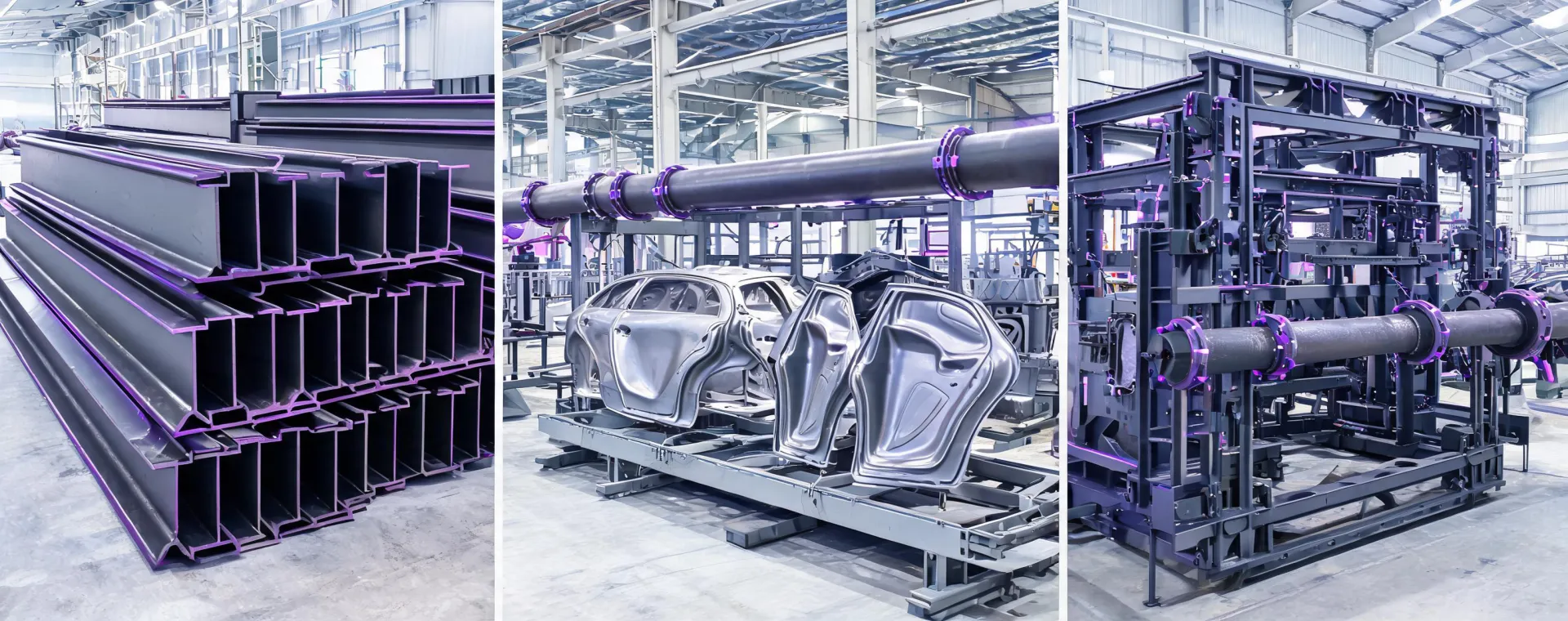
Industries Served
Different markets ask for different steel behavior. Infrastructure buyers focus on project timing and structural forms. Automotive teams care about flat-rolled supply and repeatable quality. Machinery builders need alloy choices that can survive load, wear and machining. Nippon Steel organizes each conversation around that end use.
Application Fit
Application context changes the right buying path. The same plate thickness may be treated differently when it is headed to a bridge fabricator, a machine frame, a pressure-adjacent utility package or a production fixture. Nippon Steel keeps those use cases visible during quote review.
Structural steel, plate, pipe and rebar supply supports bridges, commercial buildings, civil works and public utilities where schedule certainty matters.
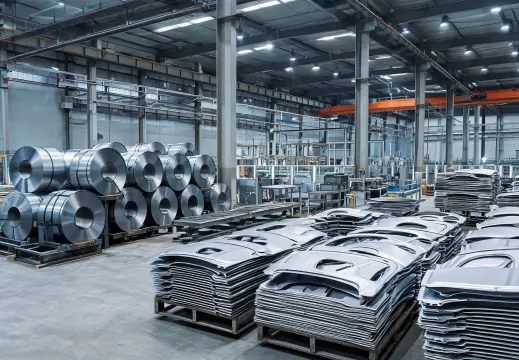
Flat-rolled, stainless and alloy inputs help body, frame, tooling, trailer and rail suppliers coordinate repeatable production runs.
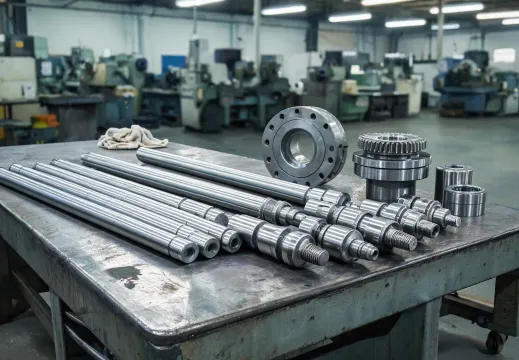
Tool steel, alloy bar and processed plate are matched to wear, load, heat treatment and machining requirements in equipment manufacturing.
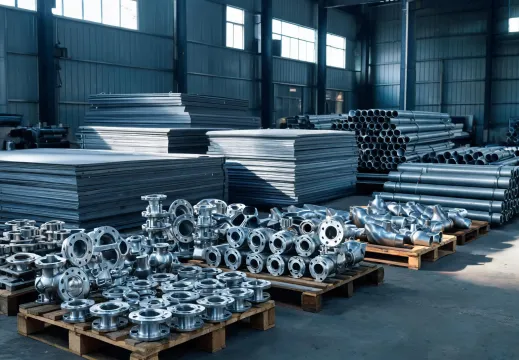
Pipe, plate and corrosion-aware stainless selections serve field systems, utility upgrades, pressure-adjacent fabrications and plant maintenance work.
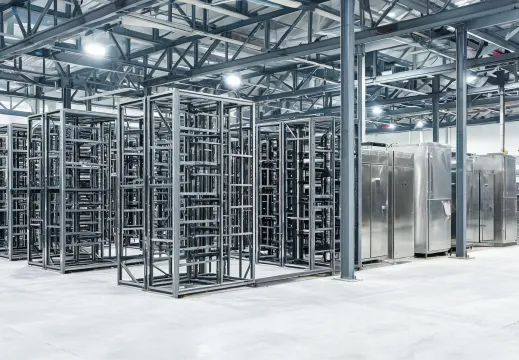
Structural members, enclosures and support frames help contractors and integrators build reliable power, cooling and server-room infrastructure.
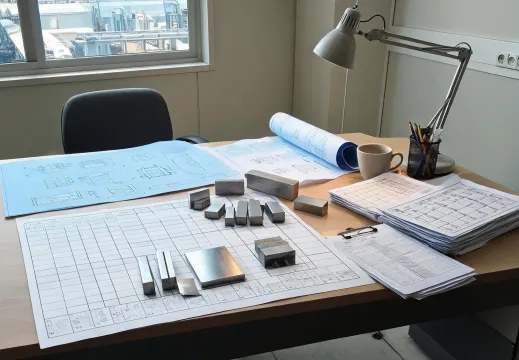
Repeatable grade selection, certificate control and lot planning help purchasing teams keep approved materials available across production cycles.
Primary market lanes
Core steel categories
Common document checkpoints
These indicators are not decorative claims. They show how Nippon Steel frames market support: fewer vague categories, more attention to the material families, documents and delivery choices that buyers actually discuss during procurement. When an inquiry names the market as well as the grade, the team can ask better questions about surface condition, inspection paperwork, packaging, receiving limits and downstream fabrication steps.
Tell us the market, operating environment and material callout so the first response can address the real use case.